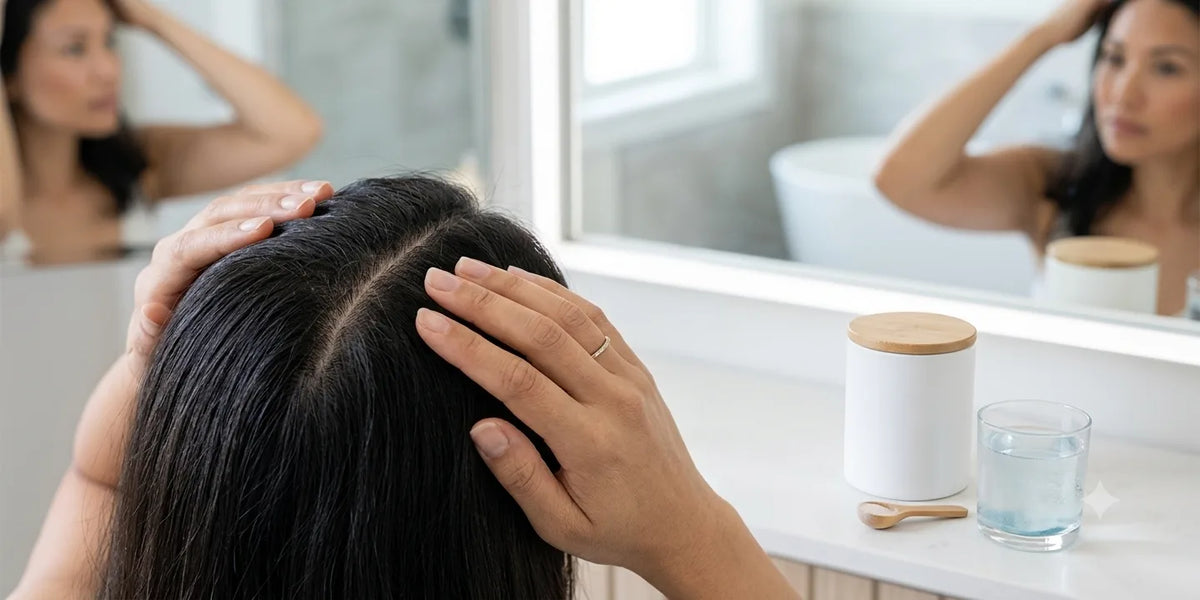
Finding more hair than usual on your pillow, in the shower, or in your hairbrush can be unsettling. For many women, hair thinning develops gradually, starting with a wider parting, a thinner looking ponytail, or increased hair shedding.
Hair thinning in women can have many causes, including hormonal changes, stress, nutritional deficiencies, genetics, illness, and certain hair care habits. Because the underlying cause can vary, there is no single solution that works for everyone.
Nutrition is one area that deserves attention. Collagen has become increasingly popular for supporting skin, hair, and nails, but can collagen actually help with hair thinning? While it is not a cure for hair loss, collagen may play a supporting role as part of an overall nutrition and wellness routine.
Why Does Hair Thin in Women?
Some amount of hair shedding every day is completely normal. The concern usually starts when shedding becomes noticeably heavier or the hair gradually looks less dense.
Female pattern hair loss is one possible reason. It often develops slowly and may be noticed as a widening part or thinning around the top of the scalp. Hormonal changes can also affect the hair cycle. Pregnancy, menopause, significant stress, illness, rapid weight loss, and nutritional deficiencies are other factors that may contribute to increased shedding.
Even the way you treat your hair can make a difference. Frequent use of heat styling, chemical treatments, or very tight hairstyles can put stress on the hair shaft and scalp.
So, before choosing collagen supplements for hair thinning, it is worth considering why the thinning is happening in the first place.
What Is Collagen?
Collagen is a protein naturally produced by the body. It is found in connective tissues and helps provide structure to the skin, bones, tendons, and other parts of the body. As we age, the body's natural collagen production gradually decreases, which has contributed to growing interest in collagen supplements.
You may have seen collagen sold as powders, capsules, or tablets. Marine collagen powder, in particular, is commonly made from fish derived collagen and is usually available in a hydrolyzed form. Hydrolyzed collagen has been broken down into smaller peptides, making it convenient to mix into drinks or foods.
One thing to understand is that collagen does not simply travel from your stomach to your scalp. Once consumed, it is digested into amino acids and peptides that the body can use in different ways.
Can Collagen Help With Hair Thinning?
This is where it is important to separate promising research from strong claims.
There is growing interest in the possible relationship between collagen intake and hair health. Research into collagen supplementation and hair health is still limited. While collagen provides amino acids and may support overall nutritional status, more high quality research is needed to understand its specific role in hair growth, thickness, and female hair thinning.
That means collagen should not be presented as a cure for female hair loss. Collagen may support an overall nutrition routine, but it cannot replace treatment for an underlying medical cause of hair loss.
For example, if hair loss is related to an iron deficiency, thyroid problem, hormonal change, or another medical condition, simply taking collagen is unlikely to solve the underlying issue.
How Could Collagen Support Hair Health?
It Provides Amino Acids
Hair is mainly made up of a protein called keratin. Protein and its building blocks, amino acids, are therefore important for normal hair growth.
Collagen supplements provide amino acids and collagen peptides. While collagen does not directly turn into new hair, adequate protein and essential nutrients provide the body with important building blocks needed for normal tissue maintenance and overall hair health.
This is one reason some women include collagen supplements for women in their everyday wellness routine.
It May Support Skin and Scalp Health
The scalp is skin, and collagen has an important structural role in the skin. Research on collagen supplementation has generally produced more evidence around skin health than hair growth.
Because the scalp is part of the skin, maintaining overall skin and scalp health is an important part of a broader hair care routine. However, current evidence does not show that collagen supplementation alone can stimulate new hair growth
It Can Be Part of a Nutritional Routine
Hair health is closely connected with overall nutrition. A diet that is consistently lacking in protein or certain nutrients may affect the normal hair growth cycle.
Rather than focusing on one ingredient, think about the bigger picture. Eggs, fish, dairy products, beans, lentils, vegetables, fruits, nuts, and seeds can all contribute useful nutrients to the diet.
A collagen supplement can sit alongside this type of diet rather than replace it.
Why Are Marine Collagen Supplements Popular?
Marine collagen powder is an easy option for people who prefer a powder instead of taking several capsules each day.
Depending on the product, it can be added to water, smoothies, yogurt, coffee, or other foods and drinks. The convenience makes it easier for some people to use consistently.
If you are considering marine collagen, check the product ingredients and source. People with fish allergies should be particularly careful with marine sourced products.
It is also worth avoiding products that make unrealistic promises such as guaranteed hair regrowth or dramatic results within a few days. Hair changes naturally take time.
How Should Women Use Collagen for Hair Health?
There is no universal collagen dose specifically established for treating female hair thinning. Follow the serving instructions provided with the product and avoid taking more simply because you want faster results.
Consistency is more sensible than taking very large amounts occasionally.
At the same time, pay attention to your general diet, hydration, sleep, stress levels, and hair care habits. A supplement works best when it is part of a healthy routine rather than being treated as the entire solution.
Other Habits That May Help Protect Your Hair
You do not need an elaborate routine to take better care of thinning hair. A few basic changes can help:
-
Avoid wearing very tight ponytails or buns every day.
-
Reduce excessive heat from straighteners, curlers, and blow dryers.
-
Be gentle when brushing wet hair.
-
Avoid crash diets and extreme calorie restriction.
-
Include adequate protein in your meals.
-
Eat a varied diet rather than relying heavily on supplements.
-
Give your hair enough time to recover between chemical treatments.
-
Speak to a healthcare professional if shedding continues or becomes severe.
These steps will not prevent every type of hair loss, but they can help reduce unnecessary stress on the hair.
When Should You See a Doctor About Hair Thinning?
If your hair is suddenly falling out in large amounts, you notice bald patches, or the thinning continues for several months, it is better to get it checked.
A dermatologist can examine your scalp and look for signs of female pattern hair loss, nutritional problems, scalp conditions, or other causes. In some cases, blood tests may also be recommended.
This is especially important because different types of hair loss require different approaches. A collagen supplement may be suitable as part of your routine, but it should not delay proper evaluation when there is significant or unexplained hair loss.
Considering Marine Collagen as Part of Your Routine?
If you choose to include collagen in your daily wellness routine, look for a product that fits your dietary preferences and is easy to use consistently.
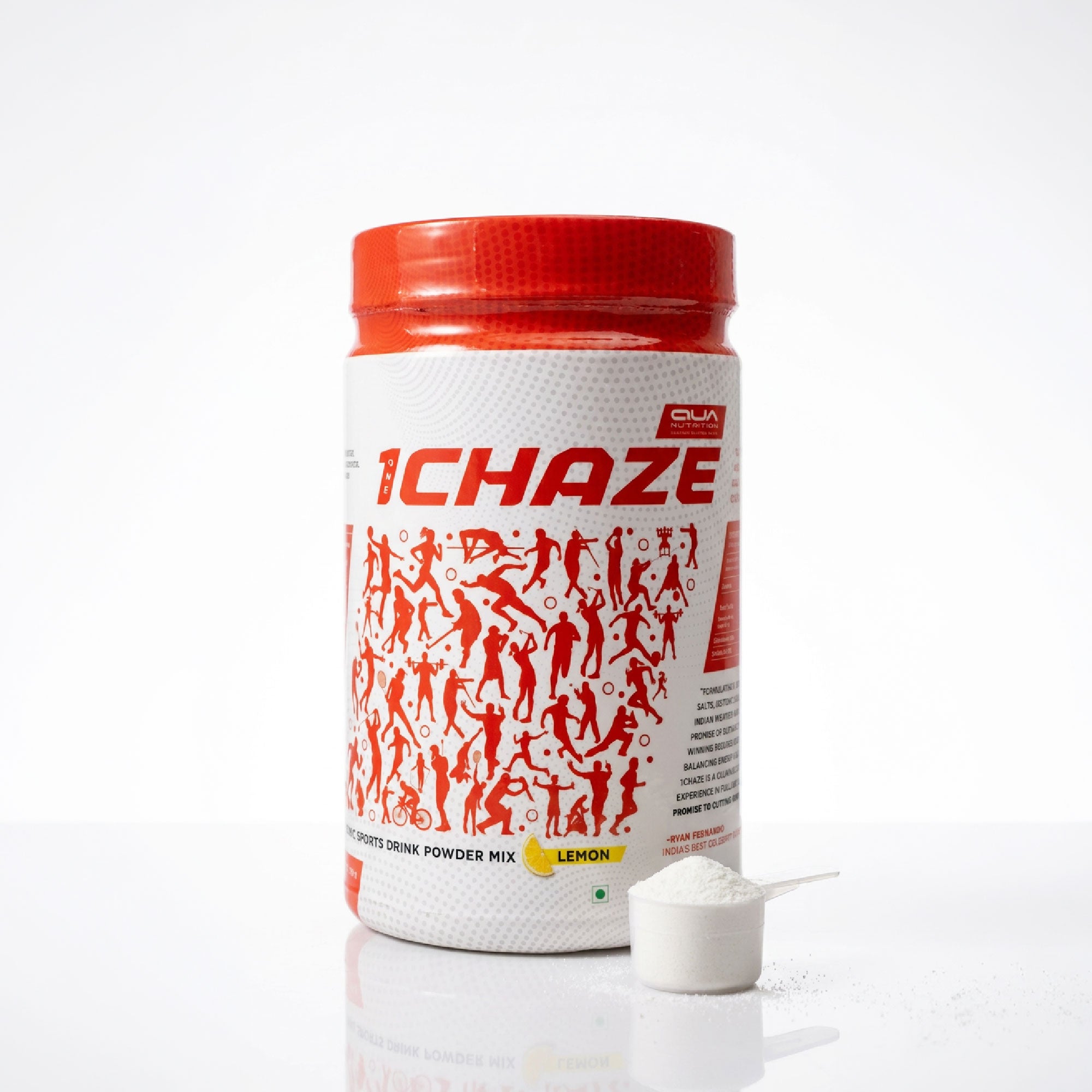
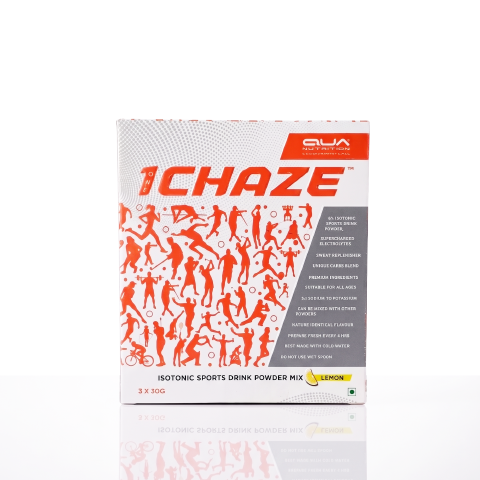
1Chaze Marine Collagen offers hydrolyzed marine collagen in a convenient powder form. It can be incorporated into suitable foods and drinks as part of a balanced routine. However, as with any supplement, collagen should complement a nutritious diet and healthy lifestyle rather than replace them.
For persistent or unexplained hair thinning, identifying the underlying cause should always remain the priority.
Choose 1Chaze Marine Collagen for Hair Health
Hair thinning can be frustrating, particularly when you are unsure why it is happening. Collagen has gained attention because of its role as a structural protein and the amino acids it provides. Early research into collagen and hair health is interesting, but more evidence is needed before it can be considered a proven treatment for hair loss.
For women who want to explore collagen as part of their routine, 1chaze marine collagen powder and other collagen supplements for women may offer a convenient option. Just remember that healthy hair involves much more than one supplement.
If your hair continues to thin or you are experiencing unusual shedding, finding the underlying cause should come first. From there, you can decide whether collagen, dietary changes, or other treatments are appropriate for you. Contact us if you have questions about our collagen products, and speak with a healthcare professional to determine whether collagen, dietary changes, or other treatments are appropriate for you.
FAQS
Does collagen help with hair thinning in women?
Collagen may support overall nutrition by providing amino acids, but there is currently limited evidence showing that collagen alone can treat female hair thinning or stimulate hair regrowth.
How long does it take to see results from collagen for hair?
Hair growth is a gradual process, and results can vary depending on the individual and the underlying cause of hair thinning.
Can collagen cure hair loss?
No. Collagen should not be considered a cure for hair loss. If hair thinning is caused by a medical condition, nutritional deficiency, or hormonal changes, the underlying cause may need to be addressed.
Does menopause or hormonal change cause hair thinning in women?
Yes, hormonal shifts during pregnancy, postpartum recovery, and menopause are common causes of hair thinning in women. A doctor can help confirm the cause.
How much daily hair shedding is considered normal?
Losing around 50 to 100 strands a day is generally normal. If it's noticeably more or continues for weeks, it's worth checking with a dermatologist.