A hard workout should leave you feeling accomplished, not interrupted by sudden, painful muscle cramps. Exercise-associated muscle cramps can occur during running, cycling, swimming, strength training, and other forms of physical activity. Although fluid and electrolyte losses can contribute to cramping in some situations, muscle fatigue, exercise intensity, training conditions, and other factors can also play a role. Understanding how to prevent muscle cramps starts with understanding what your body needs during exercise.
Sodium, potassium, and other electrolytes support normal muscle contractions, nerve signaling, and fluid balance. During prolonged or intense exercise, particularly in hot and humid conditions, maintaining appropriate fluid and electrolyte intake can be an important part of supporting normal muscle function.
Why Do Muscle Cramps Happen During Exercise?
Muscle cramps are sudden, involuntary contractions that can be painful and difficult to stop. They are especially common during prolonged or intense physical activity.
Heavy sweating can cause your body to lose water along with electrolytes such as sodium and potassium. At the same time, muscle fatigue and prolonged exertion can increase the likelihood of cramping.
Maintaining appropriate hydration throughout your workout can help support normal muscle function. During prolonged exercise or periods of heavy sweating, replacing some of the fluids and electrolytes lost through sweat may also be appropriate based on your individual needs.
Can Electrolytes Help Reduce Exercise-Related Muscle Cramps?
Electrolytes are minerals that carry electrical charges and help regulate several important processes in the body. Sodium and potassium are particularly important for nerve communication and muscle contractions.
When you sweat heavily, your body loses electrolytes. Replacing them helps maintain fluid and electrolyte balance, especially during longer workouts or exercise in hot and humid conditions.
This does not mean every muscle cramp is caused by an electrolyte deficiency. Muscle fatigue, exercise intensity, training conditions, and other factors can also contribute. However, maintaining appropriate hydration and electrolyte intake is an important part of an overall strategy for reducing exercise-related cramps, and it's one of the simplest answers to how to prevent muscle cramps during demanding sessions.
1. Replace Electrolytes Lost Through Sweat
The more you sweat, the more attention you need to pay to electrolyte replacement.
For short, low-intensity workouts, water may be enough for most people. But during longer sessions, endurance sports, or intense exercise in hot weather, your body can lose considerable amounts of sodium and other electrolytes.
An electrolyte drink can provide fluids and electrolytes in a convenient form, helping support hydration during prolonged or demanding exercise.
2. Don't Forget Sodium
Sodium is one of the primary electrolytes lost through sweat. It helps regulate fluid balance and supports normal nerve and muscle function.
This makes sodium particularly important for people who participate in endurance activities or experience heavy sweating during workouts.
During prolonged exercise with substantial sweating, replacing sodium alongside fluids may be appropriate, particularly for athletes with higher sweat and sodium losses.
3. Support Your Potassium Intake
Potassium also plays an important role in normal muscle and nerve function. While sports drinks can provide electrolytes for muscle cramps, your everyday diet should also contribute to your potassium intake.
Foods such as bananas, potatoes, avocados, beans, lentils, spinach, oranges, and yogurt can help provide potassium as part of a balanced diet.
The goal is not to rely on a single nutrient but to maintain good overall hydration and nutrition.
4. Stay Hydrated Before You Feel Thirsty
Hydration should not begin when your workout starts.
During prolonged exercise, replace fluids according to your individual needs, exercise conditions, and sweat rate rather than following a one-size-fits-all approach. During prolonged exercise, continue replacing fluids according to your individual needs and the amount you are sweating.
This becomes particularly important in hot and humid environments, where sweat losses can be much higher.
5. Choose the Right Hydration Drink for Longer Workouts
Not every workout requires an electrolyte drink. If you are exercising for a short period at a low intensity, plain water may be sufficient.
But when your workout becomes longer or more demanding, you may need more than water. An isotonic sports drink for muscle cramps combines fluids, electrolytes, and carbohydrates in a formulation intended for use during exercise. This can make it a convenient option during prolonged or demanding sessions when athletes may benefit from additional fluids, electrolytes, and carbohydrate intake. An isotonic sports drink is designed to provide fluids, electrolytes, and carbohydrates in a formulation intended for efficient hydration during exercise. This can make it a convenient option for athletes and fitness enthusiasts who need hydration and energy during demanding sessions.
An isotonic sports drink combines fluids, electrolytes, and carbohydrates in a formulation intended for use during exercise. This can make it a convenient option during prolonged or demanding sessions when athletes may benefit from additional fluids, electrolytes, and carbohydrate intake.
Why Choose 1Chaze Isotonic Sports Drink?
When your workout involves significant sweating, your hydration strategy should help replace what your body is actually losing.
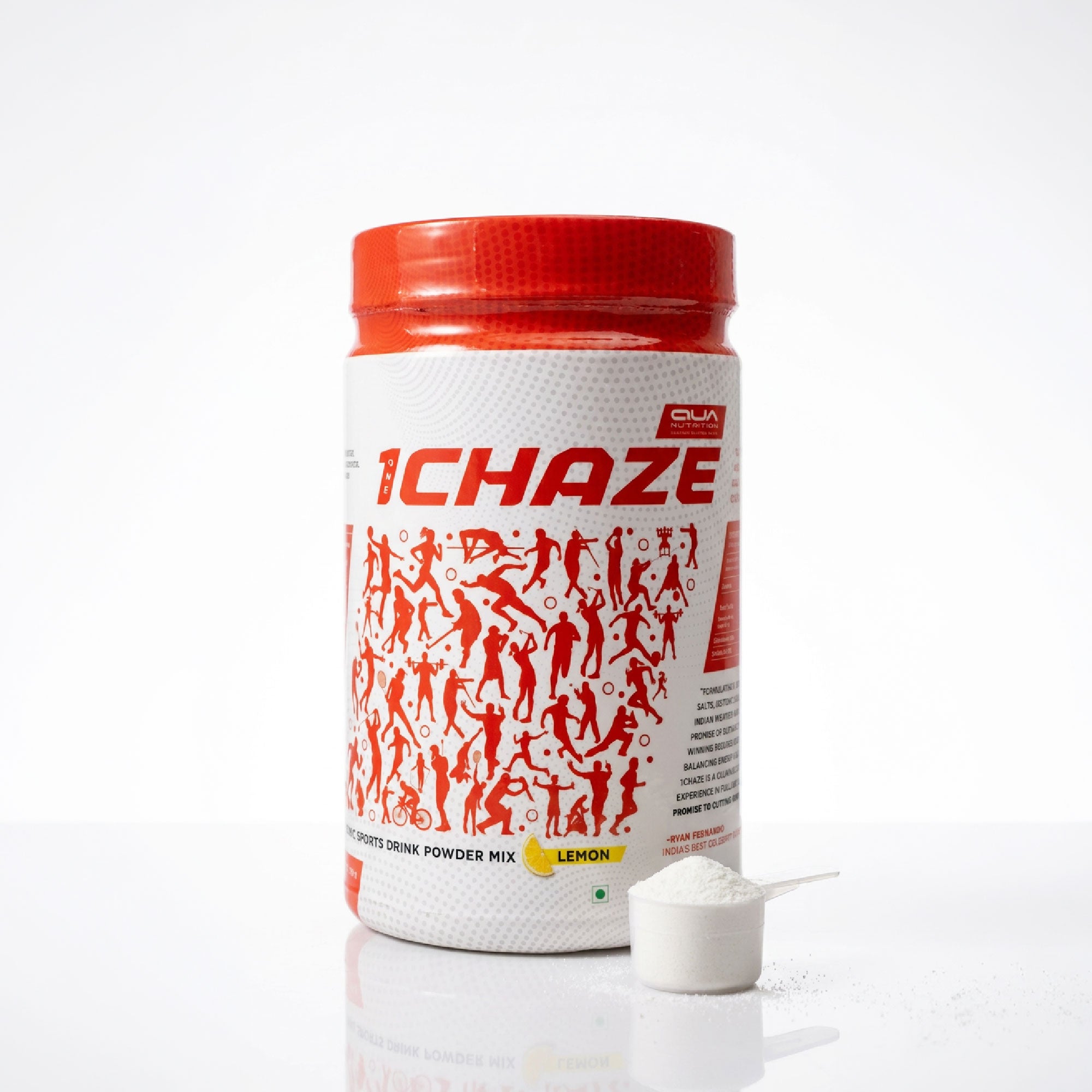
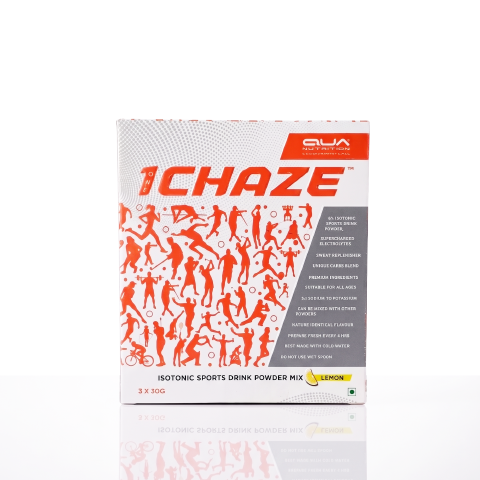
1Chaze Isotonic Sports Drink is formulated as a 6% isotonic sports drink solution, providing fluids, carbohydrates, and electrolytes during exercise. Its 5:1 sodium-to-potassium ratio is formulated to provide sodium and potassium alongside fluid intake during prolonged or demanding physical activity.
It can be incorporated into hydration routines for runners, cyclists, swimmers, gym-goers, and other active individuals during prolonged or intense exercise.
The combination of fluids, electrolytes, and carbohydrates makes it a practical option for hydration during prolonged or demanding exercise, particularly when sweat losses are substantial.
When Should You Drink an Isotonic Sports Drink?
The right timing depends on your activity and individual needs.
During longer or intense workouts, an isotonic drink can be used to provide fluids, carbohydrates, and electrolytes as you exercise. It may also be included as part of a broader post-workout hydration and nutrition routine.
If you are exercising for a short duration or at a low intensity, you may not need an isotonic sports drink at all. Your hydration needs should match your activity level, sweat rate, and overall diet.
Other Strategies That May Help Manage Exercise-Related Muscle Cramps
Electrolyte intake is only one part of preventing muscle cramps. You can also support your muscles by:
-
Warming up properly before exercise
-
Increasing training intensity gradually
-
Staying hydrated throughout the day
-
Taking appropriate rest periods
-
Avoiding sudden increases in workout duration
-
Allowing enough recovery between intense sessions
-
Eating a balanced diet
-
Adjusting your training during extremely hot conditions
Listening to your body is just as important as choosing the right hydration product.
Keep Your Muscles Hydrated with 1Chaze
Muscle cramps can interrupt even the best workout. While exercise-related cramps can have multiple causes, appropriate hydration and electrolyte intake can form part of a broader strategy for supporting normal muscle function. Sodium and potassium play important roles in nerve signaling, muscle contraction, and fluid balance.
For short workouts, water may be all you need. For longer, more intense sessions with significant sweating, an isotonic electrolyte drink can provide a convenient combination of hydration, electrolytes, and energy, which is exactly why so many athletes ask how to prevent muscle cramps before they even start training.
1Chaze Isotonic Sports Drink offers a 6% isotonic formulation with a 5:1 sodium-to-potassium ratio, providing fluids, carbohydrates, and electrolytes during prolonged or demanding physical activity.
Stay hydrated, replace fluids and electrolytes according to your individual needs, and support your training with balanced nutrition and adequate recovery.