Being an athletic person, you are always in search of methods to improve your performance, speed up recovery, and get an advantage over competitors, thus, you will still be in the hunt for the latest miracle. One of the major factors that determines an athlete's performance is hydration. Proper hydration involves a lot more than just normal water drinking. Dehydration can severely impair physical performance, endurance, and strength, and weaken mental clarity. So, optimal hydration is a must for these athletes since they strain their bodies to the maximum.
Here, we explore the importance of hydration in sports performance and address common myths surrounding sports drinks, helping you understand how the right hydration strategy can support training and overall athletic output.
Importance of Hydration
Hydration that is appropriate and sufficient hydration is the number one priority for athletes because it influences their performance, stamina, and recovery directly. Almost 60% of our body weight is water, and even slight dehydration can result in drastic drops in athletic performance. In the course of exercising, the body loses both water and electrolytes through sweating, and if not replaced, dehydration sets in.
Science Behind Hydration
Hydration is an intricate process that requires the fluid and electrolyte balance in the body to be maintained in a very meticulous way. The water, which is the main component of the body fluids, has an important part to play in regulating the temperature of the body, delivering nutrients, and disposing of waste products. Sodium, potassium, and magnesium are some of the electrolytes that are very important to the body for maintaining fluid balance, nerve function, and muscle contractions. During exercise, the body’s fluid balance gets disturbed because of the increased sweat losses, and if not properly replaced, this condition leads to dehydration. It is therefore important to consider the following:
The thirst response of the body is activated when there is an increase in plasma osmolality, which is a signal for the need to take in fluids. On the other hand, relying solely on thirst could lead to insufficient hydration since during intense physical activities the thirst sensation may be diminished or even not experienced at all.
Factors like temperature, humidity, and altitude can make the fluid losses more severe, and therefore, the hydration strategies have to be adjusted accordingly.
Different people sweat at different rates, and, therefore, it is necessary to tailor a person’s hydration intake according to his/her individual demands.
Sports Drinks: Are They Really Necessary?
People generally perceive that the best way to hydrate during sports is with sports drinks, however, this is not the case all the time. Water and a well-balanced diet, in general, are enough for most athletes to maintain proper hydration. Sports drinks for athletes are actually intended for certain situations only, that is, when you are doing some extreme physical activity for more than an hour. If you engage in strenuous exercise for a long time, you may want to use a sports drink, but it is still worth taking a look at what that drink contains. Athletes performing high-intensity workouts can benefit from taking electrolyte sports drinks to support hydration and performance.
How to Incorporate Sports Drinks into Your Daily Routine
Sports drinks fit naturally into an athlete’s hydration routine, especially on days when training is intense or sessions run long. They are most useful before, during, or after workouts that cause heavy sweating, high exertion, or endurance strain. Taking small sips during extended training helps replace lost electrolytes like sodium and potassium, while enjoying a sports drink after exercise can help the body rehydrate faster and recover more comfortably.
Sports drinks are particularly beneficial for athletes involved in endurance sports, high-intensity interval training, outdoor workouts, or multiple training sessions in a day. Unlike plain water, they help restore lost fluids and minerals more efficiently, supporting sustained energy levels and overall performance. The key is moderation—sports drinks should complement a balanced hydration plan and be used when the body’s electrolyte needs are higher.
Conclusion
For athletes, proper hydration plays a crucial role in performance, recovery, and overall well-being. While water is sufficient for everyday hydration, sports drinks become valuable during intense workouts, endurance training, and high-sweat conditions. A quality sports drink helps replenish electrolytes, maintain fluid balance, and reduce fatigue, allowing athletes to train harder and recover better.
Choosing the right sports drink with an appropriate balance of electrolytes and carbohydrates can make a noticeable difference in athletic performance. When used at the right time and in the right amounts, sports drinks can be a practical and effective hydration solution for active individuals.
FAQs
1. What are sports drinks?
Sports drinks are beverages formulated to help athletes replace fluids, electrolytes, and energy lost during exercise.
2. Are sports drinks necessary for all athletes?
Not always. They are most beneficial during intense, long-duration, or high-sweat workouts. For light activity, water is usually sufficient.
3. How do sports drinks help athletes?
They support hydration, replenish electrolytes, prevent fatigue, and help maintain performance during prolonged physical activity.
4. When is the best time to consume sports drinks?
Before, during, or after intense workouts, endurance training, or outdoor activities in hot conditions.
5. How much does 1CHAZE Sports Drink cost?
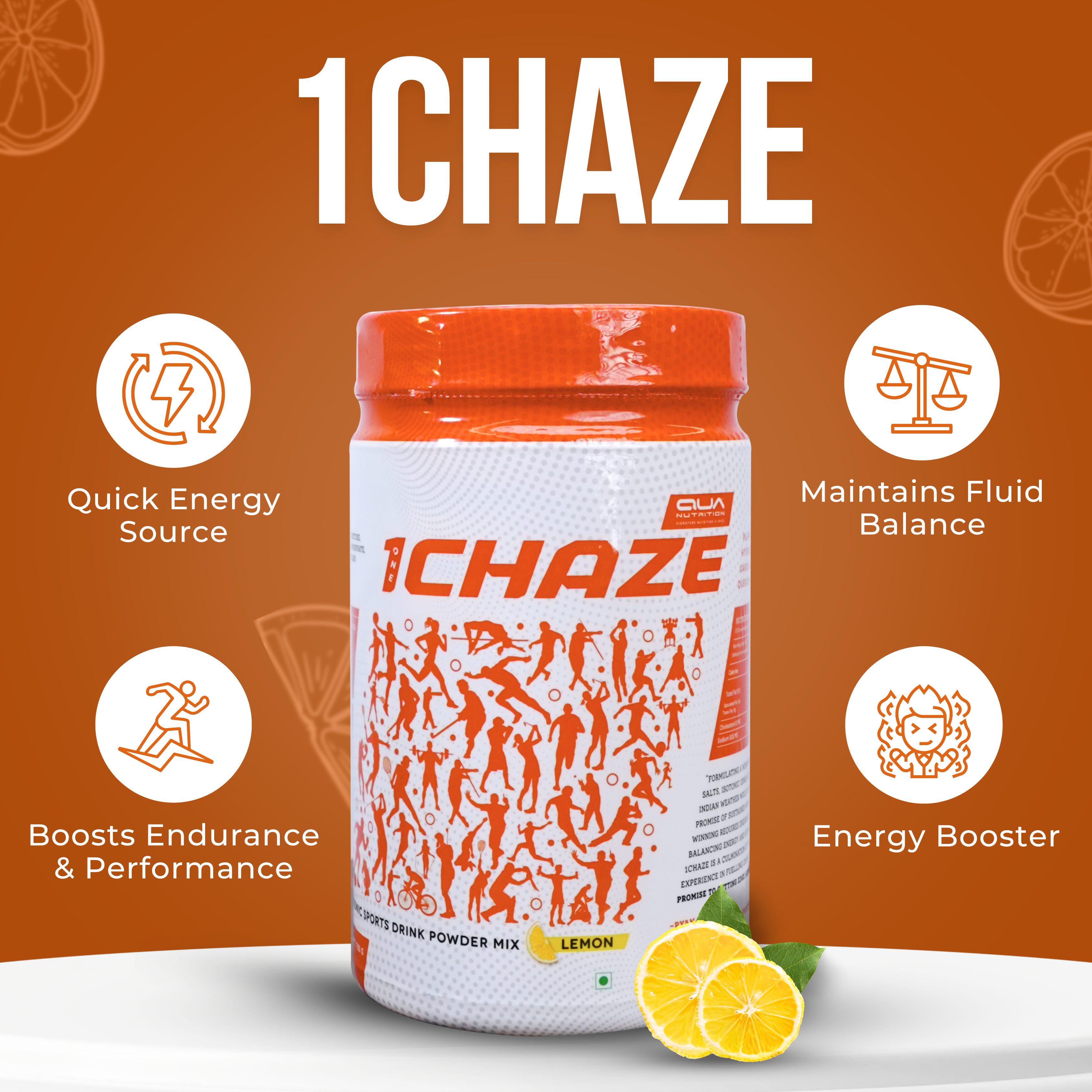
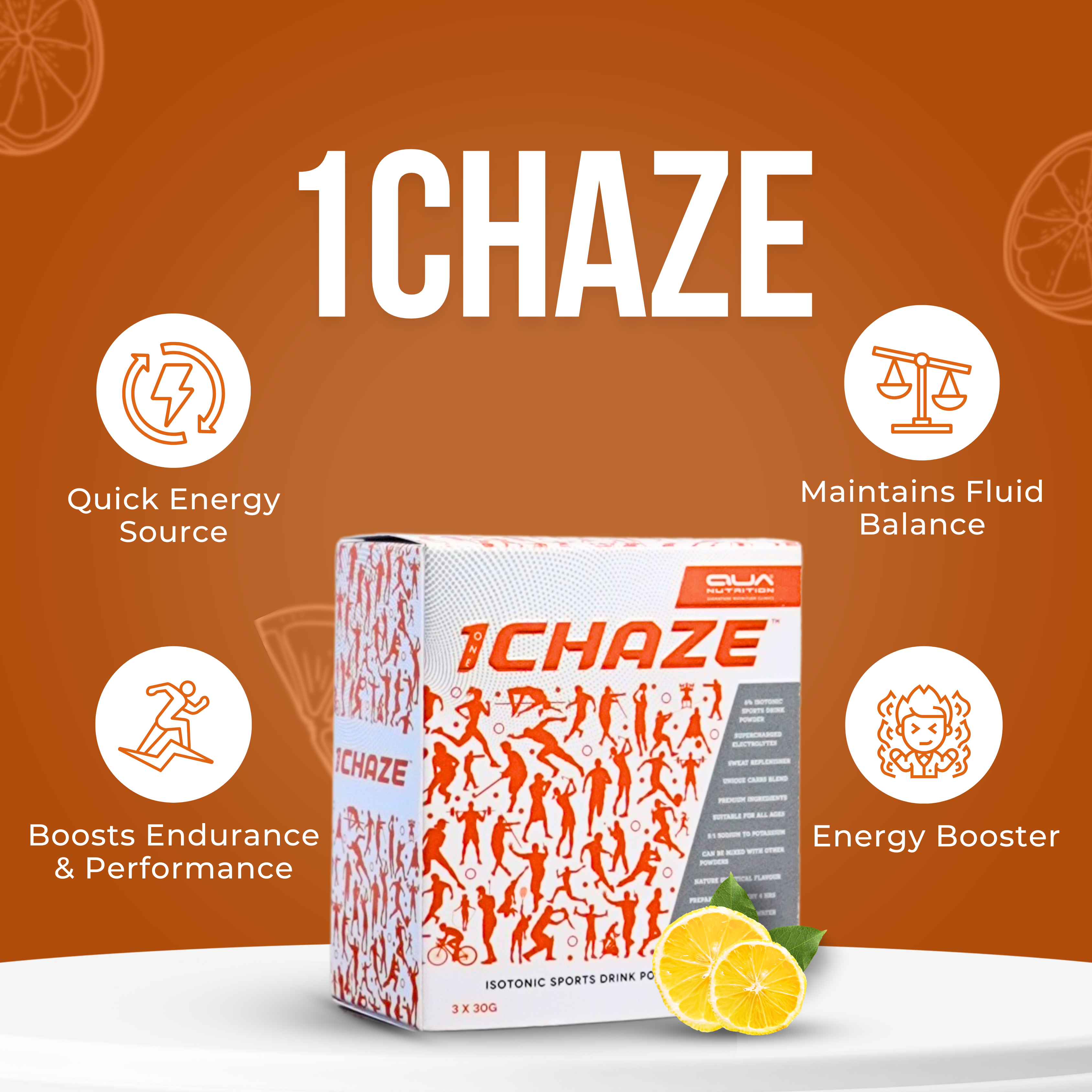
1CHAZE Sports Drink is available in three options. A Traveller Pack for ₹200, a 700g pack for ₹747, and a 1.5kg pack for ₹1,214. You can choose the pack that best fits your training needs and routine.
6. Can sports drinks be taken daily?
They can be consumed regularly by athletes with high training intensity, but should be balanced with water and overall nutrition.
7. Do sports drinks contain electrolytes?
Yes, most sports drinks contain key electrolytes like sodium and potassium to support hydration.
8. Are sports drinks better than water?
For intense or long workouts, sports drinks can be more effective than water. For everyday hydration, water is sufficient.