Acid reflux affects a large share of adults at some point, and many people are now looking beyond antacids toward nutrition focused on gut health for relief. Two ingredients that keep coming up in this conversation are collagen and probiotics, both frequently discussed for their connection to digestive wellness. Although they are often mentioned together, these two ingredients actually work through very different mechanisms inside the body, and understanding that difference matters before choosing one over the other.
This guide breaks down what the available science actually says about collagen and probiotics for acid reflux, walks through how to evaluate quality supplements before buying, and explains why a marine collagen powder may be the more practical addition to your daily routine over the long term.
Understanding Acid Reflux and Why the Gut Lining Matters
Acid reflux is often called GERD when it becomes a long-term problem. It occurs when the lower esophageal sphincter weakens or relaxes at inappropriate times, allowing stomach acid to flow back into the esophagus. That backward flow is what produces the burning feeling so many people notice in the chest and throat. A weakened valve rarely fails on its own. Diet, ongoing stress, extra body weight, smoking, and an unbalanced gut microbiome can all play a part.
The digestive lining and the bacterial balance within the gut have a direct bearing on how well that valve holds up, which is why collagen and probiotics keep showing up as natural options people turn to for relief. In many cases, people also notice symptoms becoming more frequent after meals or when lying down, which further highlights the role of daily habits in managing the condition.
How Probiotics Help With Acid Reflux
Probiotics are live bacteria that support digestion in more than one way. They compete against harmful microbes, and they help the body maintain the protective mucus layer lining the stomach and esophagus. A handful of strains have drawn particular research attention. Lactobacillus acidophilus, Bifidobacterium longum, and Lactobacillus reuteri have each been studied for their ability to calm inflammation and restore a healthier balance of gut flora. Some evidence suggests probiotics ease acid reflux by limiting the growth of harmful bacteria in the gastrointestinal tract.
That said, researchers have not yet gathered enough clinical evidence to call probiotics a proven treatment. For most people, probiotics are well tolerated, but anyone with a weakened immune system or an existing chronic condition should consult a doctor first, particularly since these supplements are not tightly regulated and quality can vary noticeably from one brand to the next.
How Collagen Helps With Acid Reflux
Collagen happens to be the most abundant structural protein found in the body. It plays a central role in keeping the gut lining and surrounding connective tissue intact throughout the digestive tract. Once that lining becomes thin or weakened, the esophagus and stomach become far more vulnerable to irritation from stomach acid. This is where collagen comes in, since it supplies amino acids like glycine and proline that the body relies on to rebuild and repair that lining over time.
Collagen peptides have often appeared to protect the intestinal lining from breaking down and may carry properties that help reduce inflammation in the gut, which helps explain why collagen for acid reflux has become such a widely discussed topic in recent years. Unlike probiotics, which work by introducing beneficial bacteria, collagen takes a more structural approach, reinforcing the physical barrier that is meant to keep stomach acid exactly where it belongs.
Why Marine Collagen Powder Stands Out
Marine collagen has earned its reputation as the most bioavailable option among all types of collagen available today. Its origin, composition, and the ease of adding it to your daily routine set it apart from bovine or porcine options. Here’s why it’s the best choice:
-
Better Absorption: The smaller peptides from fish skin and scales make their way into the bloodstream faster and more completely than the collagen from cows or pigs.
-
Packed with Type I Collagen: This is the most abundant type in our gut lining, skin and connective tissues, so it’s immediately relevant for actual digestive repair. Minimal Processing: Hydrolysis of marine collagen retains its natural peptide integrity, delivering a cleaner, more bioavailable form in every single serving.
-
Effortless Use: Dissolves cleanly into any hot or cold beverage with virtually no taste, making long-term consistency feel completely effortless and natural.
-
Sustainably Sourced: Derived from parts of the fish that would otherwise go to waste, making it a responsible and environmentally conscious choice for health-focused individuals.
Why 1Chaze Marine Collagen Powder Is the Better Choice
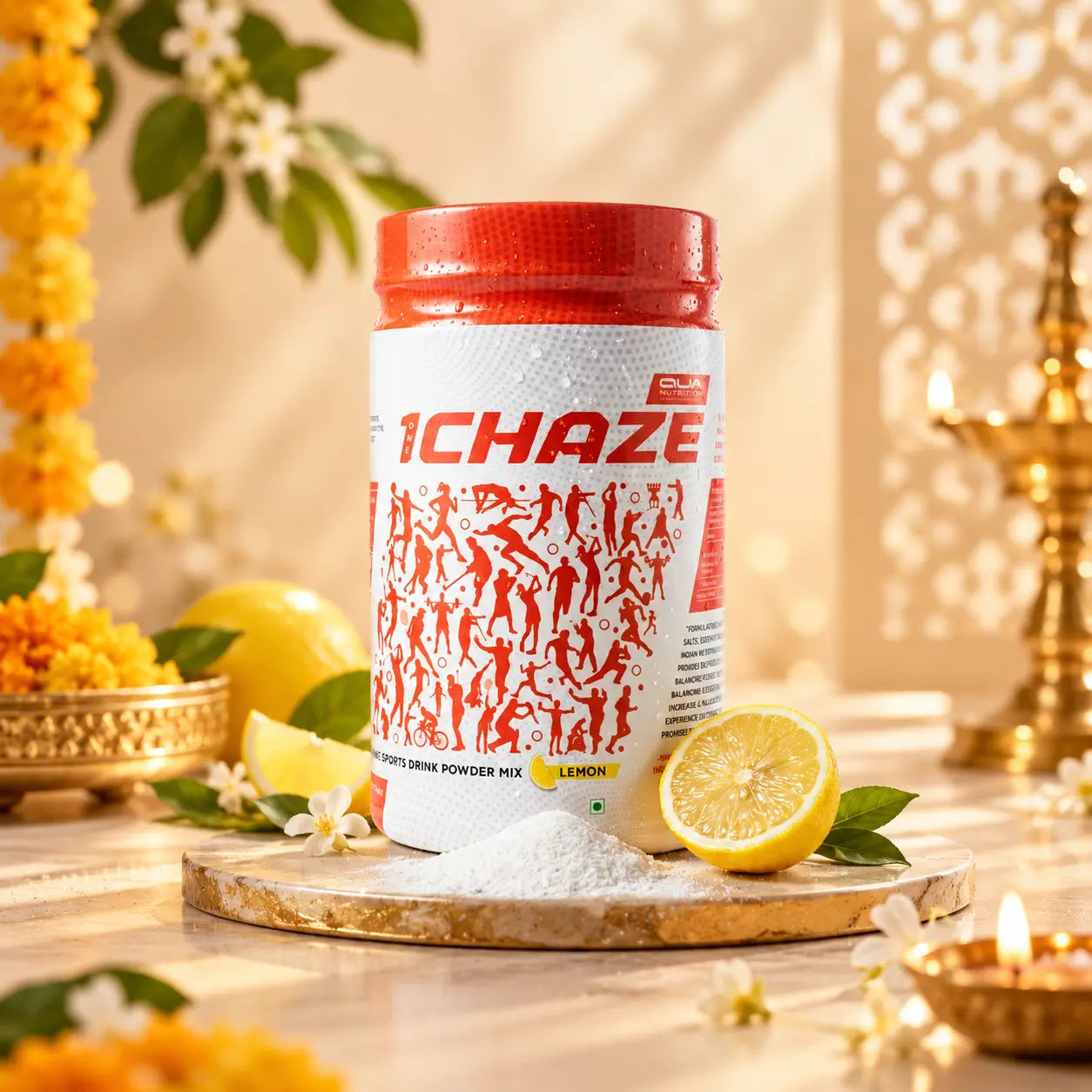
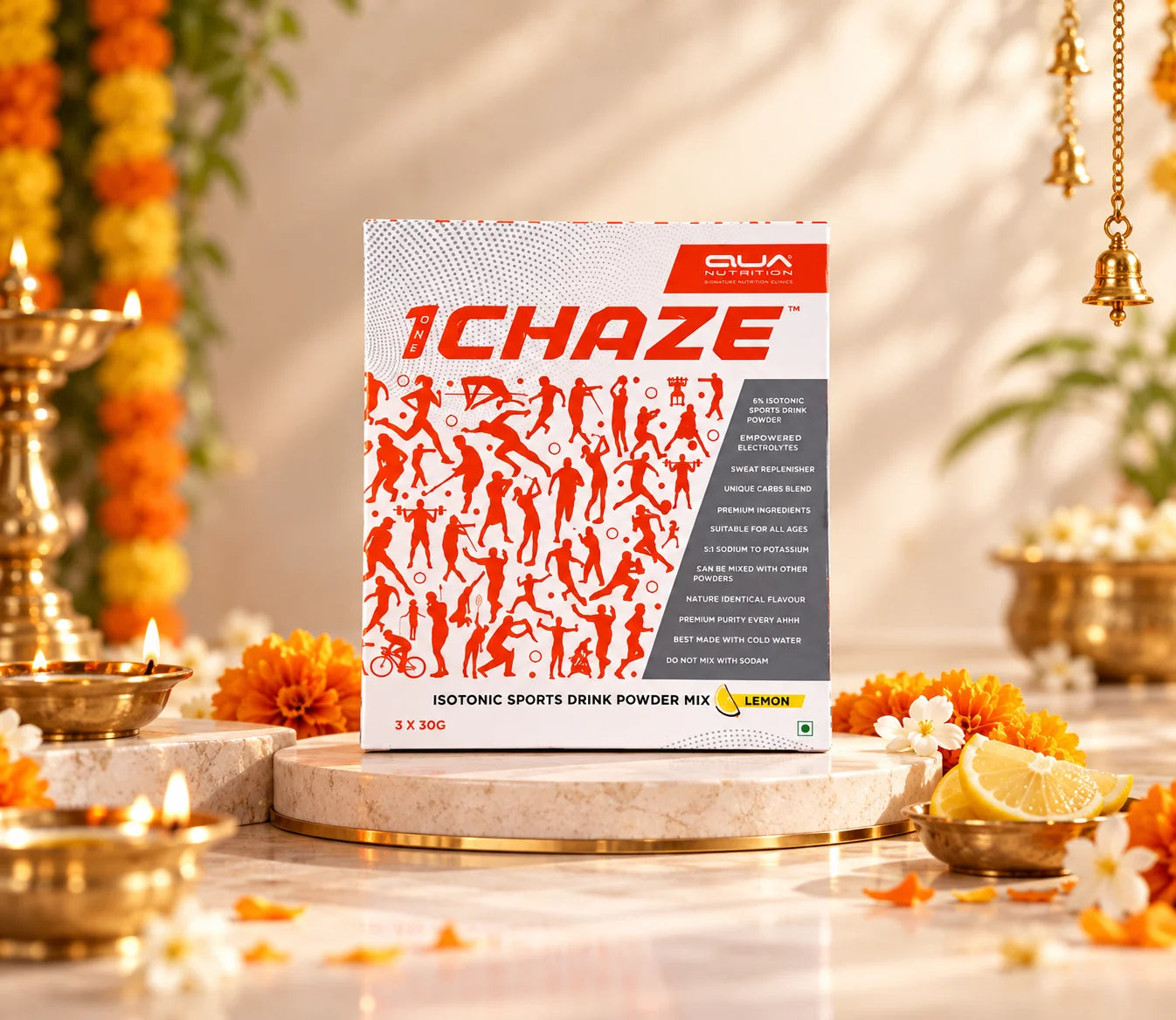
The solution to acid reflux is less about masking symptoms and more about rebuilding what has worn down. Finding the best collagen supplements means looking for one that addresses the repair at a structural level. After looking at both ingredients, collagen takes a more structural approach to supporting the digestive lining. Each serving of 1Chaze Marine Collagen provides ten grams of pure hydrolyzed marine collagen, formulated to strengthen the gut lining while also supporting stronger nails, more flexible joints, resilient bones, and healthier skin.
Every batch is manufactured in certified facilities under strict quality control standards, and the marine collagen itself is sustainably sourced, so you get confidence in both what is inside the product and how it was made. 1Chaze sits behind the same nutrition science that professional sports nutritionists depend on, making it a genuine fit for anyone who wants to take care of their health. For those deciding between collagen and probiotics for acid reflux relief, a daily scoop of 1Chaze marine collagen powder is simply the more complete and practical place to begin.
15% off
Get 1Chaze Marine Collagen Powder — use code GLOW15 at checkout
Shop Now
FAQ
Can collagen actually reduce acid reflux symptoms?
Collagen supplies the amino acids your esophageal and gut lining need to repair and stay intact. A stronger gut barrier means less opportunity for stomach acid to cause irritation.
Are probiotics better than collagen for heartburn?
Probiotics work on bacterial balance while collagen works on tissue structure. For frequent reflux, collagen tends to offer more direct support to the gut wall itself.
Can collagen and probiotics be taken together?
They work through completely different pathways and do not compete with each other. Many people use both together for a more complete approach to digestive health.
Is collagen safe if you have been diagnosed with GERD?
It is food-derived and generally well tolerated by most people. Anyone on prescribed GERD medication should check with their doctor before adding any new supplement.