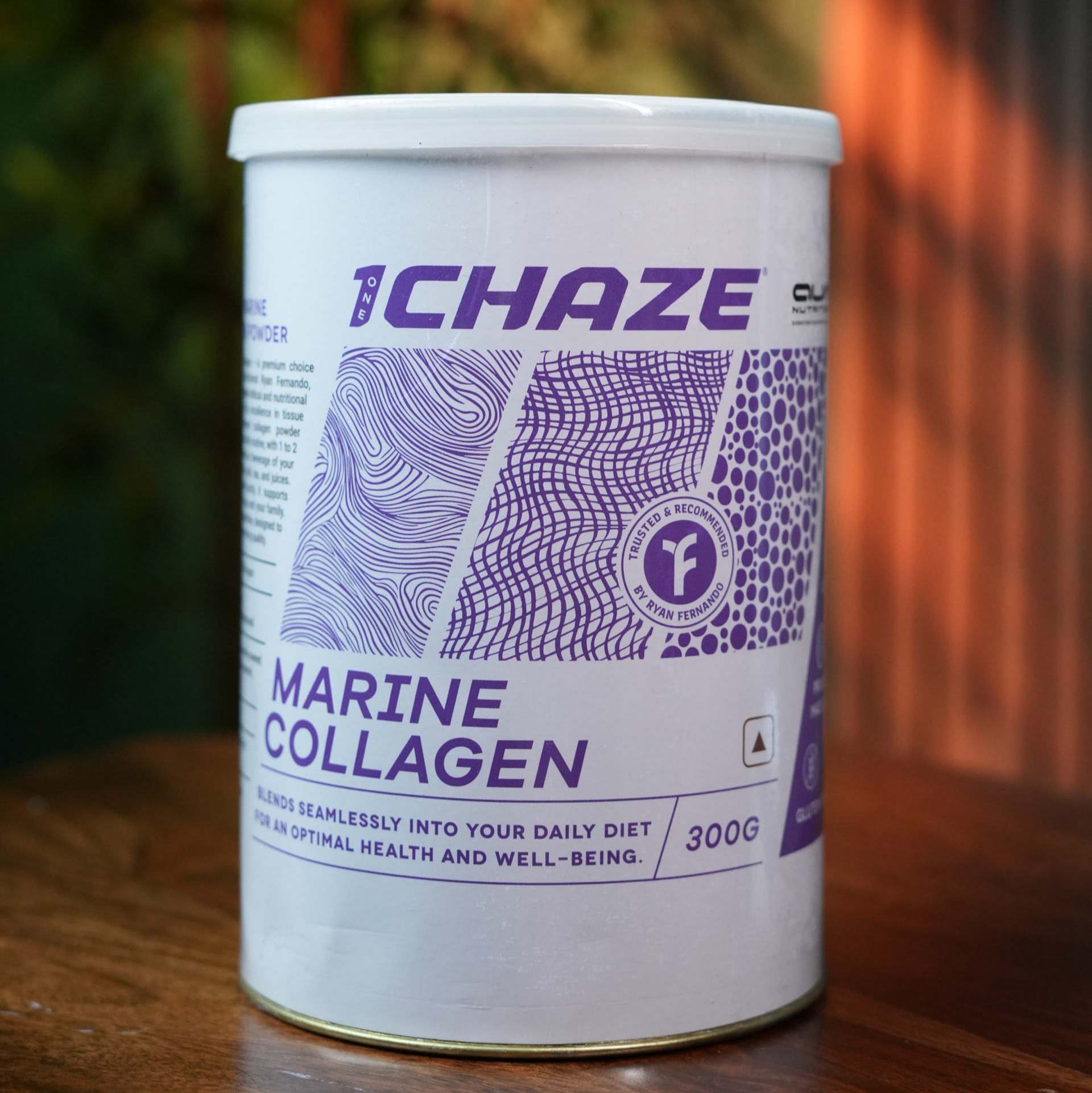
Marine collagen has become a preferred supplement for people looking to support skin, joints, hair, nails, and overall wellness through a clean protein source from fish. It’s a naturally occurring protein that is the main component of connective tissue and is made up of type I collagen, the most abundant kind of collagen in the human body.
Hydrolysis breaks it down into smaller peptide fragments that the body can more readily absorb. Available as a fine, water-soluble powder, it dissolves easily into any drink and fits naturally into a daily routine.
Choosing the right collagen supplement can help you make informed decisions about your health and avoid products that don't match your wellness goals. This guide explains what marine collagen is, its different types, the science-backed benefits, potential side effects, and what to consider before adding it to your routine.
What Is Marine Collagen Powder?
Marine collagen powder is a protein supplement derived from the majority of fish skin and scales. It is in its raw state, a large, complex protein that the human gut is not very efficient at absorbing. It is broken down by the manufacturers using hydrolysis, which involves the use of water and enzymes to produce smaller peptide fragments, with a much lower molecular weight.
Research suggests this smaller peptide size may support efficient absorption into the bloodstream. That said, how well it absorbs still depends on product quality, formulation, and daily dosage.
Types of Marine Collagen
Marine collagen is available in different types, each with a unique role in supporting the body. While Type I is the most abundant and commonly used, other types also contribute to skin, joint, bone, and cartilage health. Understanding these types can help you choose a collagen supplement that aligns with your wellness goals.
-
Type I is one of the most common types of marine collagen and also the most common collagen type in humans. Its main function is as a structural component in the skin, bones, tendons, and ligaments.
-
Type II is another type of collagen that could be in marine collagen supplements. However, this is not always guaranteed. Type II collagen works in promoting joint flexibility.
-
Type III can occur with type I, depending on the source. Type III assists skin elasticity and the connective tissue in blood vessels and internal organs.
Key Benefits of Marine Collagen
Marine collagen provides the body with amino acids that help to preserve skin, hair, nails, bones, joints and connective tissues. Benefits, generally, are enhanced with constant use and improved with healthy nutrition, hydration and an active lifestyle. While there’s more study for skin hydration and elasticity, many people use marine collagen for general strength, recovery and daily wellness.
Skin Health and Anti-Ageing
-
Marine collagen peptides may activate fibroblasts, the cells that create new collagen in the dermis
-
Clinical research suggests consistent daily intake over eight to twelve weeks may support improvements in skin hydration and elasticity
-
For collagen supplements for skin, marine collagen is among the more evidence-backed options, though it works as a gradual structural support rather than a quick fix
-
Results in fine line reduction vary by individual and are modest compared to clinical treatments
Joint and Bone Support
-
Amino acids glycine and proline are involved in the health of cartilage and connective tissue health
-
Regular use can help maintain joint comfort and benefit active people's recovery after exercise.
-
Research shows that marine collagen may be beneficial in improving bone mineral density over time.
-
Benefits are often increased in the presence of sufficient calcium and vitamin D intake
Hair and Nail Support
-
Marine collagen contains amino acids that are the components of keratin, the protein that makes up hair and nails.
-
Daily use over several months is typically recommended before evaluating visible results
Digestive Wellness Support
-
Glycine is an important amino acid compound in marine collagen, which is involved in the maintenance of the gut barrier.
-
Initial research suggests it could support overall digestive health
-
People with existing digestive issues should consult a medical professional before starting on any new supplement program
Potential Side Effects and Precautions
Most healthy adults can handle marine collagen well, but here are a few things to know. It is derived from fish and, therefore, should be avoided by people with seafood or shellfish allergies. For some individuals, the body may take a short time to adjust to marine collagen, with mild digestive changes or a slight aftertaste that usually resolves on its own.
Research supports a daily dose of 2.5 to 10 grams for most people. Exceeding this, particularly for those with existing kidney or liver conditions, is best avoided without medical guidance. Always consult a healthcare professional before starting any new supplement.
Choose the Right Marine Collagen from 1Chaze
When you take the right marine collagen for the right reasons, it can be a valuable addition to your wellness routine. If your goals are to support hydrated skin, maintain joint comfort, strengthen your hair, nails, and bones, and support recovery, marine collagen works best alongside a balanced diet, adequate hydration, sunscreen, quality sleep, and regular exercise.
What really matters is choosing a high-quality marine collagen supplement that fits seamlessly into your daily routine. 1CHAZE is committed to delivering premium marine collagen and nutrition supplements designed to support the overall health and well-being of athletes and active individuals.
If you want to add collagen to your routine, start with a trusted source that fits your lifestyle and helps you reach your long-term goals.
Disclaimer: Consult a healthcare professional before adding any supplement to your routine, especially if you have existing health conditions or dietary restrictions.
15% off
Get 1Chaze Marine Collagen Powder — use code GLOW15 at checkout
Shop Now
FAQ
Is marine collagen good for skin?
Yes. Marine collagen can help your skin remain hydrated, elastic, and firm. To see better results, make sure you eat well, drink plenty of water, sleep, and protect yourself from the sun.
Which type of collagen is marine collagen?
Marine collagen mostly consists of Type I collagen. Type I collagen makes about 90% of the collagen in the body and helps build skin, bones, tendons, and ligaments.
Can marine collagen promote hair growth?
Amino acids derived from marine collagen fulfill the protein needs required to sustain healthy hair structure. When incorporated into a wellness routine on a regular basis, it may aid in the strength and thickness of hair.
Is marine collagen good for joints?
Marine collagen could beneficially influence joint comfort by aiding in the maintenance of connective tissues. It is often used by active people to enhance recovery and mobility over time.
How long does marine collagen take to work?
It takes most people around eight to twelve weeks of regular use to notice visible changes in skin, hair or nails. The result depends on the age, diet, lifestyle, dosage, and product.
Are there any side effects of marine collagen?
Generally, this marine collagen is well tolerated, but some people may experience bloating, nausea, and an aftertaste. People allergic to fish or shellfish should not use marine collagen.