Every athlete knows the feeling. Pre-season rolls around, the intensity cranks up overnight, and within the first week your legs feel like they belong to someone else. Cramps come unexpectedly. Recovery takes longer than usual. Between the third sprint drill and the evening lift session, the athlete is left questioning when their pre-season fitness actually vanished.
More often than not, the culprit is far more mundane than a loss of fitness. For most athletes, inconsistent hydration habits in the off-season is to blame.
Most athletes treat hydration as something to sort out once training starts. The truth is their off-season lays the foundation for how they deal with hydration during pre-season. How often they drink, how well they replenish electrolytes and how they manage and fuel their bodies ahead of any training session. Off-season is when you either build a resilient system or quietly let it slide.
-
Hydration tips for athletes aren't just about chugging water when you feel thirsty. Thirst is a lagging signal. By the time it kicks in, you're already down 1-2% of your body weight in fluid, which is enough to measurably affect strength, focus, and reaction time.
-
The off-season gives you the rare luxury of time to fix this without the pressure of a match or a meet looming over you. Off-season training tips for athletes almost always start with the basics like sleep and fueling and hydration deserves a spot right at the top of that list, not somewhere near the bottom next to stretching reminders.
Why the off-season matters more than people think
During the competitive season, everything is planned out, including recovery, training loads, meals, and even sleep. Off-season is more loosely planned, making hydration habits the first to go, especially as travel and other commitments can take a toll on an athlete's schedule. This is what makes off-season hydration for athletes one of the most important yet underrated areas in the entire training journey. When pre-season hits and training volume spikes, your body needs to already know what proper hydration for athletes actually feels like day to day. You're not trying to build a new habit and survive brutal two-a-days at the same time.
How to stay hydrated during workouts, even in the off-season
A few habits go a long way, with none of them requiring any major commitment.
-
Start the day with water before anything else. Overnight fluid loss is real, and starting hydrated sets the tone for the rest of the day.
-
Don't wait for long sessions to think about how to stay hydrated during workouts. Even shorter off-season sessions benefit from a steady sip-based approach rather than one big gulp before you start.
-
Aim for small, consistent amounts every 15-20 minutes during activity rather than waiting until you're parched.
-
Weighing oneself before and after a tough session, perhaps every other day, is also a good way to calculate the athlete's sweat rate to ensure they don't overhydrate before a meet.
-
Pale-yellow urine can be a useful general hydration indicator, but look at it alongside thirst and changes in morning body weight rather than relying on colour alone.
Electrolytes matter more than people assume
-
Water alone isn't always enough, especially once you start sweating heavily or training in heat and humidity, which describes most of the year for electrolyte drinks for athletes India-wide.
-
Sweating leads to a loss of crucial electrolytes like sodium, potassium, and magnesium, which if not replenished, lead to cramps and fatigue regardless of how much water is being consumed.
-
One of the biggest hydration mistakes athletes make is either neglecting their electrolytes or overcompensating with commercial sports drinks, which in most cases do more harm than good for an athlete trying to maintain a year-round training regimen.
Among the best hydration drinks for athletes, isotonic formulations tend to work well because they match the concentration of fluids in your body, meaning they get absorbed quickly without sitting heavy in your stomach.
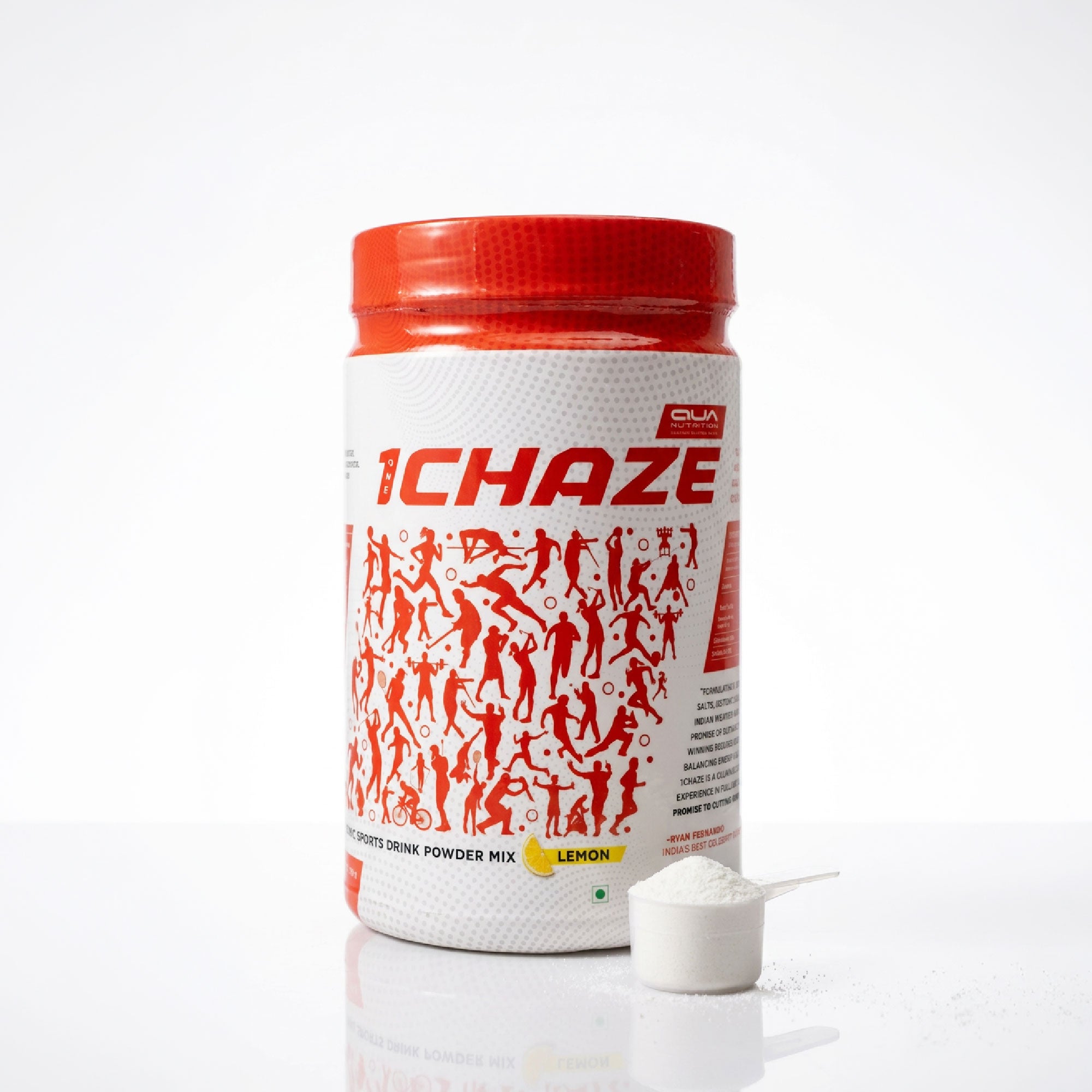
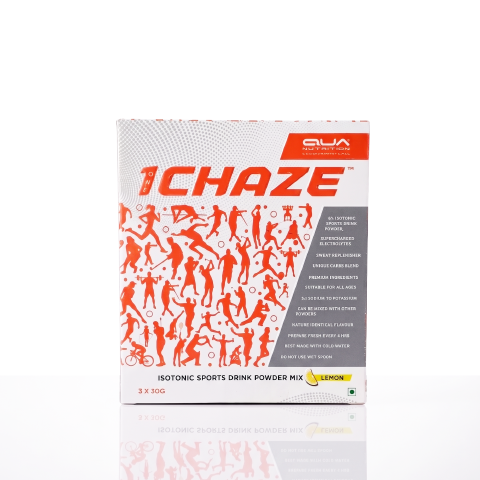
This is where 1Chaze's Isotonic Sports Drink Powder fits into the picture. It's built as a 6% isotonic solution meant to support endurance during longer or harder sessions, with sodium and potassium in a 5:1 ratio a combination aimed at the kind of muscle cramping and fatigue that off-season training often brings on. The carbohydrate blend, a mix of dextrose, maltodextrin, and fructose, is designed to give a quicker initial energy lift alongside more sustained release, rather than one short sugar spike.
Whether you are running, biking, playing football, or working out at the gym, the goal remains the same: something simple enough that you can mix and carry with you that keeps you hydrated and energized.
Building the habit before you need it
The athletes that transition into pre-season the best; are the ones that are prepared physically and mentally for the increase in intensity that comes with it. They are the ones whose bodies have already learned to properly fuel and hydrate themselves, so the change isn't so shocking for their system.
By the time pre-season starts, you want hydration to be the one thing you don't have to think about, because you already sorted it out months ago.
FAQs
1. How much water should an athlete drink daily during the off-season?
There is no real number, depending on body type, activity level, and climate, but a good base to start from is about half your body weight (in pounds) in ounces of water per day, plus another serving on training days.
2. Are electrolyte drinks necessary if I'm not competing right now?
Yes, especially if you're still training regularly or live somewhere hot and humid. Electrolyte loss through sweat doesn't pause just because competition season has.
3. What are signs of dehydration athletes often miss?
Fatigue, irritability, headaches, and reduced concentration are commonly mistaken for tiredness or stress, when they're actually early dehydration signs.
4. Is coconut water a good substitute for sports drinks?
While a good source of potassium, coconut water tends to be low in sodium, which is the electrolyte most heavily lost through sweat. It works better as a supplement to, rather than a replacement for, a balanced electrolyte drink.
5. When should I start focusing on hydration before pre-season begins?
Ideally, a month or so beforehand, so that you have gotten into a good routine before the increased intensity begins.