Anyone who has seen a T20 tournament play out throughout a single day has seen the toll it takes on players. Three matches, one ground, no real recovery time in between and yet the batting and fielding intensity hardly dips from the first over to the last. What most spectators fail to see is the invisible work being done off the pitch: the nutrition plan for cricket players that keeps their bodies functioning at that level, match after match, without a proper night's sleep in between.
A cricketer's body during a T20 day of matches goes through cycles of intense exertion, abrupt stops, sprints between wickets, and long periods standing in the sun. This isn't like a single 90-minute football match. It's stop-start, unpredictable, and stretched across hours. That's exactly why a generic diet plan for cricketers doesn't hold up on days like these; the nutritional demands shift from match to match, and players need a plan built around recovery windows, not just pre-game meals.
Why Multi-Match Days Are a Different Nutritional Challenge
-
On a single match day, the routine is reasonably predictable: eat well the night before, have a balanced pre-match meal, stay hydrated during the match, and then refuel after.
-
Three matches in one day condense this into a much smaller window: there may only be 45 minutes to an hour between the end of a match and the warm-up for the next
-
During this brief window, the body has to simultaneously rehydrate, replenish glycogen stores, and begin repairing the muscles that have just been put through a game of sprints and sudden directional changes.
-
Any one of these factors neglected, and the drop-off in performance by the third match will be noticeable. That is a challenge amateur and semi-professional setups most often fail at: planning for one large match rather than three smaller ones.
What to Eat Before a Cricket Match (And Between Them)
The question of what to eat before a cricket match gets asked constantly, but the answer changes depending on whether it's match one of the day or match three. Before the first match of the day, a meal rich in complex carbohydrates eaten 2-3 hours beforehand will provide the sustained energy needed for a long day of cricket without sitting too heavily in the stomach.
Between matches, there is no time for a full meal, and one that is heavy will slow the players down more than it fuels them. That is why quick-digesting carbohydrates and electrolytes are critical in the limited time between the end of one match and the start of the next.
Hydration deserves its own mention here, separate from food. Sweat loss during a day of cricket in Indian conditions can be significant, and it's not just water that's lost sodium and potassium go with it. This is precisely why plain water often isn't enough between matches. An isotonic sports drink is formulated to match the body's fluid concentration, so it gets absorbed faster than water alone and helps players avoid the sluggishness that comes with even mild dehydration.
Looking at the Indian Cricketers Diet Chart
The closer one looks at an Indian cricketers diet chart, the more patterns begin to emerge in how the sport's stars fuel themselves during a busy match day. More often than not, the planning revolves around limiting restrictions rather than outright banishing certain foods . Most Indian players' meals consist of paneer, eggs, chicken, or dal for protein, moderate amounts of carbohydrates, and plenty of vegetables, all spread out in smaller, more frequent meals throughout the day rather than three larger ones.
This is also where a well-formulated hydration and energy product earns its place in a player's kit bag rather than being an afterthought.
-
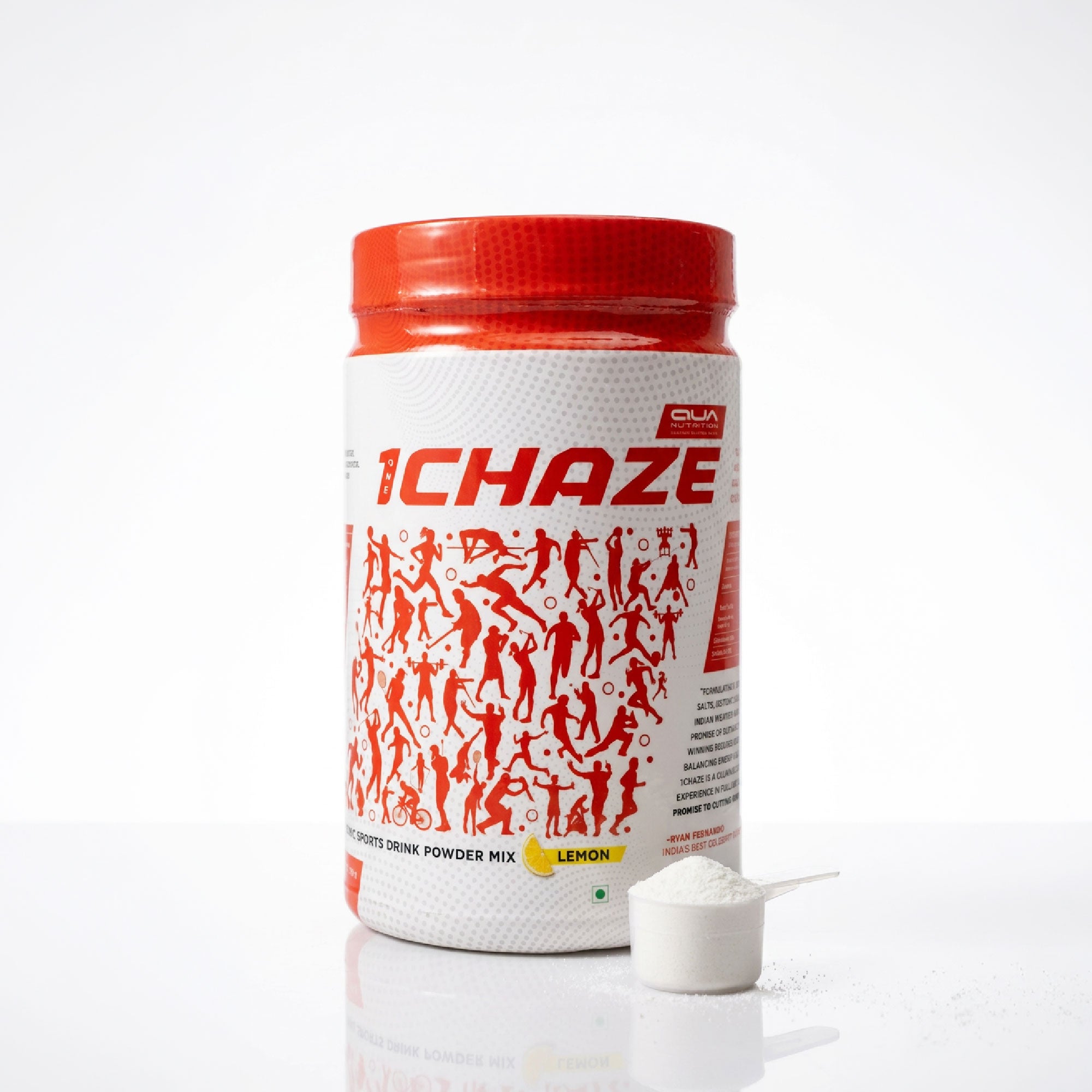
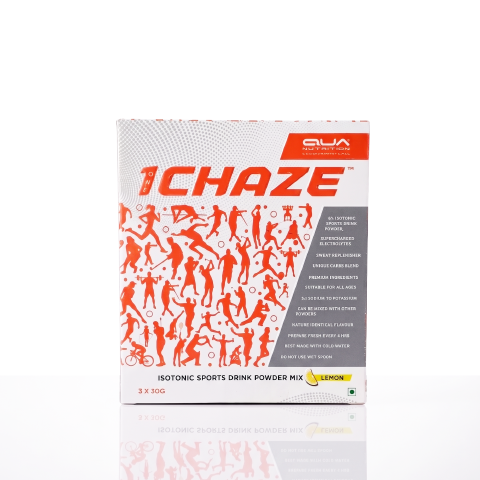
1Chaze's isotonic sports drink is built specifically for situations like this. It's a 6% isotonic sports solution designed to support endurance while providing hydration that matches the body's own fluid balance useful precisely in that narrow window between matches when there's no time for a full recovery meal.
-
The electrolyte composition matters just as much as the carbohydrate content. 1Chaze uses a 5:1 sodium-to-potassium ratio, calibrated to help prevent the muscle cramping that often shows up in the third match of the day, when sweat losses have accumulated and reflexes start to slow.
-
Alongside this, the drink's carbohydrate blend a combination of pharma-grade dextrose, maltodextrin, and fructose is designed to give an immediate energy lift while also sustaining performance over the following hour, rather than causing the energy spike-and-crash that simple sugary drinks often do.
Building a Realistic Plan for Match Days
None of this needs to be complicated. A workable framework for a three-match day looks something like:
-
Before match one: A carbohydrate-forward meal, eaten 2–3 hours ahead
-
Between matches: Quick-digesting snacks (fruit, dates) plus an isotonic drink for hydration and electrolyte replacement
-
After the final match: A protein-and-carbohydrate meal for overnight recovery
-
Throughout the day: Consistent sipping of fluids, not just drinking when thirst hits
Cricket, unlike many other sports, gives players brief pauses between overs, at the fall of a wicket, during drinks breaks and these small windows matter more than people realize. Sipping fluids consistently through these pauses, rather than gulping large amounts only when a break arrives, keeps hydration levels steadier across a long day.
Nutrition on match days isn't about a perfect diet chart pinned to a locker room wall. It's about having a plan flexible enough to hold up when the schedule gets demanding. For that in-between window where there's no time for a full meal, 1Chaze's Isotonic Sports Drink is built for exactly this scenario designed to rehydrate, replace what's lost in sweat, and top up energy fast enough to carry a player into the next match.
FAQs
1. What makes an isotonic drink different from plain water for hydration?
An isotonic drink is formulated to match the concentration of salts and sugars found naturally in the body. This similarity allows it to be absorbed faster than water, which matters when there's only a narrow window between matches to rehydrate before the next game starts.
2. Why do cricketers need electrolytes and not just water?
Sweating during long hours of play causes the body to lose sodium and potassium along with water. Replacing only water without electrolytes can leave players prone to cramps and fatigue, which is why isotonic drinks with a proper sodium-potassium balance are often preferred over plain water.
3. Can drinking too much fluid during a match cause problems too?
Yes, over-hydrating without adequate electrolyte intake can dilute sodium levels in the blood, which brings its own risks. This is another reason electrolyte-balanced drinks are generally preferred over large volumes of plain water during long periods of intense activity.